Home | Looking for something? Sign In | New here? Sign Up | Log out
Showing posts with label Pharmacy. Show all posts

Thursday, July 26

Free EBook Delmar's Pharmacy Technician Certification Exam Review

Delmar's Pharmacy Technician Certification Exam Review

Free eBook Delmar's Pharmacy Technician Certification Exam Review

Delmar Cengage Learning English 1999-07-06 ISBN: 0766807436 207 pages PDF 15,9 MB

This comprehensive review prepares students for the pharmacy technician certification exam. It focuses largely on pharmacy mathematics which constitutes a large portion of the exam, and is generally considered the most difficult portion of the exam. In addition, the text focuses on the primary content areas covered in the exam. A unique feature of the review is a test to assess the individual's level and identify areas that require additional study. The review includes a mock certification exam for students to monitor their progress. Both tests are written in the same format as the actual certification exam, providing students with valuable practice. The text's comprehensive coverage of pharmacy practice, regulations, mathematics, pharmacology, and drug nomenclature prepares students for the certification exam. Solutions/answers to review questions and exercises are provided for immediate feedback.

Download:
Link 1

Friday, October 30

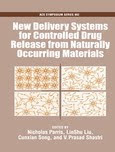
New Delivery Systems for Controlled Drug Release from Naturally Occurring Materials

Controlled delivery systems of drugs are prepared from synthetic or natural materials in combination with a drug or an active ingredient to allow their release in a default. The release may be constant, cyclic, or through changes in the physiological environment or an external event. The development of new drug delivery systems that are capable of controlling the release of drugs to specific sites in the body has attracted considerable attention.

Early biomaterials were selected mainly for their desirable physical properties and not for delivery of active ingredients in biological systems. In recent years, however, new systems have been prepared from natural materials that are biocompatible and resistant to chemical and enzymatic attack in a live environment.
Today, microencapsulation and controlled-release technologies are finding broad application not only in the pharmaceutical industry but also for transplantation and regeneration medicine, for example, scaffoldbased drug delivery for tissue engineering. The advantages of using controlled delivery systems in the aforementioned applications is primarily the maintenance of drug levels within defined ranges, in a localized manner while maintaining overall biocompatibility. Possible disadvantages, however, include the high cost of controlled-release systems, potential toxicity, or non-biocompatibility of the materials used.

This book is targeted toward scientists and engineers in industry, government, and academia who are interested in the development of novel drug delivery systems and regeneration technologies from natural materials. An understanding of physicochemical changes and how such changes affect the performance of the drug or active ingredient will allow researchers to develop formulations with optimized performance.

This volume was developed from a symposium presented at the 2005 International Chemical Congress of Pacific Basin Societies sponsored by the American Chemical Society Division of Macromolecular Chemistry in Honolulu, Hawaii, December 15-20, 2005.

Thursday, October 29

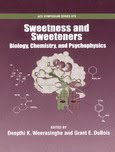
Sweetness and Sweeteners

Most aspire to living in excess and acceptance of sweet foods plays an important role. Of sugar, which is one of the materials used to impart a sweet taste, has the disadvantage of being associated with a number of issues related to adverse health. As a result, many hours of research are invested in trying to produce low and no calorie sweeteners and change the time profile of these to mimic the sugar.

Since the discovery of taste receptors and the recent advances in the cultivation of taste bud cells primary, there has been significant progress in the field of sweeteners and their perception. Using this knowledge, some research groups have directed their efforts towards improving the sweetness, through additives that result in a net reduction of calories. The symposium was organized to highlight the current state of science and the recent report of significant findings in biology, chemistry, and Psychophysics of sweeteners and sweetness.

The book will follow the seven sessions of the symposium as separate chapters:
  • Structural Studies of the Sweetener Receptor,
  • Modeling of the Sweetener Receptor,
  • Sweet Taste Transduction,
  • Quantifying the Responses of Sweet-Sensitive Taste Bud Cells,
  • Modulation of Sweet-Sensitive Taste Bud Cell Signaling,
  • Advances in the Discovery and Commercial Development of Synthetic Non-Caloric Sweeteners,
  • Advances in the Discovery and Commercial Development of Natural Non-Caloric Sweeteners.
 Sweetness and Sweeteners

Monday, October 19

Evidence-Based Eye Care

Peter J Kertes, T. Mark Johnson, Evidence-Based Eye Care
Lippincott Williams & Wilkins | ISBN: 0781769647 | 2006 | CHM | 336 pages | 17.55 MB

free download e-book Evidence-Based Eye CareThis volume offers every clinical ophthalmologist valuable guidance in implementing the results of recent multicenter clinical trials in practice. Chapters on all major disease entities review all relevant trials, these trials bring in a real world environment, and show how the results should influence day to day management of the patient. Coverage includes diseases in all subspecialties : cornea/external eye diseases, glaucoma, retina, pediatric ophthalmology, ocular oncology, neuro-ophthalmology, and Oculoplastics. More than 170 illustrations, 92 in color, complement the text. General ophthalmologists will have at its disposal, in an easily digestible format, the current standard of care for patients across the spectrum of ophthalmology.

New Changes to the USP Heparin Monograph

This article is about new changes made in, widely used blood thinner, Heparin. Heparin is official in USP since year 1950 and has been revised several times since then. From the news obtained from both U.S Food and Drug Administration (FDA) and Unites States Pharmacopeia (USP) that stage 2 changes will be effective from October 1, 2009. Heparin made using the tests and reference standards in the new USP monograph will become available in healthcare facilities on or after October 8, 2009.

Heparin Structure
Heparin Ad hoc Advisory Panel was formed in 2006 to focus on development of a new potency assay. Subsequently, following reports of the prevalence of contaminated heparin products that resulted in more than 200 deaths and in response to a request from FDA to update USP monographs for Heparin Sodium and Heparin Calcium following heparin recalls in early 2008, Stage 1 revisions aimed at helping to ensure a safe Heparin supply were completed and became official via Revision Bulletins posted on USP's Web site on June 18, 2008.

FDA Logo
The Stage 2 revisions include new methodologies for identification, the implementation of a new potency assay and additional tests for impurities. In addition, the heparin potency unit has been harmonized with the International Unit (IU).

The USP Heparin Ad hoc Advisory Panel, which reports to the USP Biologics and Biotechnology Blood and Blood Products Expert Committee (BBP EC), recommended that additional changes be implemented to further strengthen the Heparin monographs. These Stage 2 revisions were presented in Pharmacopeial Forum (PF) 35(2) March-April 2009 as proposed Interim Revision Announcements (IRAs). After public and review and comment, and subsequent recommendations by the Advisory Panel, the BBP EC approved the revisions.

USP Logo
Additionally, the BBP EC has made conforming changes to the following monographs: Anticoagulant Heparin Solution, Antithrombin III Human, Heparin Calcium, Heparin Calcium Injection, Heparin Lock Flush Solution and Protamine Sulfate. As part of the Stage 2 revisions to the Heparin Sodium monograph, USP has adopted a new potency assay for heparin, the chromogenic anti-factor IIa test. The high specificity of this assay provides an additional safeguard against potential adulterants that may display heparin-like activity in the current USP plasma-based assay. Transition to the new assay and parallel introduction of a new potency reference standard, USP Heparin Sodium for Assays Reference Standard (RS), has prompted USP to align all heparin monographs with the newly revised Heparin Sodium monograph. The new potency RS has been added to General Chapter <11> Reference Standards.

These Revision Bulletins replace current USP Heparin Sodium RS with the new USP Heparin Sodium for Assays RS for Anticoagulant Heparin Solution, Antithrombin III Human, Heparin Calcium, Heparin Calcium Injection and Heparin Lock Flush Solution. An extensive revision for USP Protamine Sulfate monograph is planned in the near future. In the interim, the Assay for USP Protamine Sulfate will continue to utilize current USP Heparin Sodium RS as well as Plasma preparation, which has been moved from Heparin Sodium monograph to Protamine Sulfate monograph.

The Revision Bulletins for Anticoagulant Heparin Solution, Antithrombin III Human, Heparin Calcium, Heparin Calcium Injection, Heparin Lock Flush Solution, Protamine Sulfate supersedes those in USP 32–NF 27. The Revision Bulletin text will be incorporated into the First Supplement to USP 33–NF 28.

The following table summarizes the Stage 1 and 2 revisions:
Stage 1 and 2 revisions
Following are the links to Stage 2 Heparin Sodium Monographs and Related Monographs with Conforming Changes
References:

Sunday, October 18

journals of the pharmacy

When I was on the Internet the other day for information on the journals of the pharmacy that I found the following links. I thought it would be useful to fellow professionals and students to submit a list. Therefore, that thought has manifested itself as this post. We hope you like the ladies and gentlemen.

The Annals of Pharmacotherapy For over 35 years this independent, peer-reviewed journal has been dedicated to the advancement of pharmacotherapy.

Ars Pharmaceutica magazine publishes bilingual research works, revision and letters to the editor. All of them in relation to the pharmaceutical science and similars.

Australian Pharmaceutical Publishing Company is a business to business publishing house that provides a number of quality publications to the pharmaceutical, health care and beauty industries, as well as retailers and suppliers of business solutions to the retail industry.

Briefings in Bioinformatics publishes reviews for the users of databases and analytical tools of contemporary genetics and molecular biology.

British Medical Journal aims to publish rigorous, accessible and entertaining material that will help doctors and medical students in their daily practice, lifelong learning and career development. In addition, it seeks to be at the forefront of the international debate on health.

The Chemist and Druggist located at dot Pharmacy

China Medipharm Insights covers the most up-to-date development in China's biomedical and pharmaceutical research and development in academia and industries.

ComputerTalk publishes two magazines for the pharmacy market. One is for retail pharmacy and is published six times a year. The other is for hospital pharmacy and is published once a year as a buyers guide.

Die Pharmazie is one of the world's leading pharmaceutical journals.

Drug and Therapeutics Bulletin is commissioned and researched by The Association for Consumer Research and published by Consumers' Association

Drug Metabolism and Disposition is a monthly journal presenting original in vivo and in vitro approaches to research on the metabolism and disposition of therapeutic agents and environmental chemicals.

Drug Store News has been the voice of the retail drug industry for almost seven decades. Forty thousand industry influentials read this publication every two weeks for its timely coverage of industry news, merchandising trends and pharmacy developments.

Drug Wise provides information to Psychiatrists, Pharmacists and Health Professionals on Psychopharmacology.

Erch dictionary for pharmacy and medicine free download information e-books and resources for pharmacy and medicine

Farmacia Clinica "The European journal of Clinical Pharmacy"

Health Service Journal the unique resource for anyone interested in health policy and management issues.

Informa Healthcare

International Journal of Drug Development available in print, CD ROM, PDF, Online or rapid same-day e-mail PDF attachments.

International Journal of Medical Marketing The leading international publisher of professional and academic journals

The International Journal of Pharmacy

Journal of American Medical Women's Association is a peer-reviewed, quarterly medical journal that focuses on women's health. It was established in 1946 as the official publication of AMWA, the American Medical Women's Association.

Journal of Medicinal Chemistry publishes original research on the correlation of molecular structure to biological activity with a focus on the relationships of chemistry to biological activity.

Journal de Pharmacie Clinique Available in either French or English

Journal of Pharmacy & Pharmaceutical Sciences is the official, international journal of The Canadian Society for Pharmaceutical Sciences

Journal of Pharmacy Technology provides valuable information for those interested in the entire body of pharmacy practice.

Medbioworld Medical Journals by Specialty An extensive listing of medical journals

Medicinal Food News a web magazine about food that promotes and improves your health

Molecular Pharmacology

New England Journal of Medicine

Nutrition Business Journal focuses each month on a specific theme, channel, or business segment, providing industry executives with an exclusive, in-depth perspective on developments and trends in the nutrition industry.

The Pharmaceutical Journal contains abstracts from the International Journal of Pharmacy Practice

Pharmaceutical and Medical Packaging News The packaging magazine for the healthcare industry.

Pharmaceutical Technology

Pharmacological Reviews

Pharmacy Law Newsletter A newsletter devoted to covering Pharmacy laws in New York.

Pharmacy Times - Practical Information for today's pharmacist. Pharmacists and Pharmacy Students, you can order your complimentary subscription on-line today.

U.S. Pharmacist The journal for pharmacists' education.

The Cardiology Intensive Board Review Question Book

Leslie Cho, Brian P Griffin, Eric J Topol, "The Cardiology Intensive Board Review Question Book"
LWW | 2008 | ISBN: 0781774675 | 384 pages | PDF | 60 MB

free download The Cardiology Intensive Board Review Question Book e-book on erch books This book easily review question is geared specifically to candidates taking the Cardiovascular Boards and the Cardiovascular section of the internal medicine wards, either for initial certification or recertification. The book contains over 700 questions with answers, focusing on specific areas of the test. The content areas covered in the same proportion as in the actual exam to ensure highly specific, high-performance preparation. The questions in this edition are based on patient-oriented scenarios to simulate the rooms. Electrophysiology Chapters have been completely revised and are more paths. Sections on heart failure, heart disease, and STEMI treatment have been significantly revised to reflect current American Heart Association-American College of Cardiology guidelines.

-= Erch Book Expedition =-

The Medical Interview: Mastering Skills for Clinical Practice

John L., M.D. Coulehan, Marian R., M.D. Block, "The Medical Interview: Mastering Skills for Clinical Practice"
F. A. Davis Company | 2005 | ISBN: 080361246X | 409 pages | PDF | 1,8 MB

Free Download The Medical Interview: Mastering Skills for Clinical Practice e-book This new edition of the medical interview: mastering skills for clinical practice, 5th edition, will help your students learn the art of conducting a medical interview and in the process to sharpen their communication skills. Moreover, the authors have created a downloadable interview organizer that students can use as a management tool of his first interviews. The book is suitable for medical students and all levels of residents and is truly a must read for anyone conducting an interview with the patient-therapist.

-= Erch Book Expedition =-

Friday, October 16

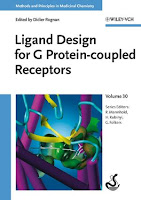
Ligand Design for G protein-coupled receptors

Describe in one book all existing approaches for designing ligands targeting G protein-coupled receptor (GPCR), is an impossible challenge. However, giving some clues to help drug designers in their daily work is feasible. This is precisely the aim of the current book whose contributors have been selected to reflect current knowledge about an extraordinary family diversity of the objectives of the protein.

G protein-coupled receptor (GPCR) represent the best of our knowledge at least 60% of all recipients. The vast majority kept alive as the most interesting of the objectives in the search for drugs and development. About 18,000 Reviews are listed in PubMed, many of them dealing with the structural characteristics and peculiarities of the G protein-coupled receptors. Especially their functional classification, association with other integral membrane proteins and the dimerization / oligomerization behavior remains a hot topic in research.

However, the existing body of knowledge in atomic resolution allows us to propose a mechanism of interaction and patterns of activation of this receptor type.

Ligand Design for G protein-coupled receptors Book This book is a volume of 12 chapters on the state of the art in the design of ligands for these targets. The volume begins with a description of the genome in GPCR, which is followed by a proper analysis of available data and its appearance and use of databases. In the more specialized chapters raises the question of how to de-orphanize receptors. Strategies in these areas are urgently needed because of HTS strategies, technologies of the matrix, etc. The number of orphan receptors has increased exponentially.

The ligand interaction does not mean that a product will come out of this knowledge. Thus druggability analysis, which has exceeded its infant years of rule-based estimates, it has become a sophisticated methodology alone. One chapter is devoted to human GPCR druggability. Is the molecular mechanism that lights up in depth within the next three chapters. Oligomerization or simply dimerzation, activation and inactivation processes of allosteric regulation are complex puzzles to solve, last but not least, due to difficulties in understanding the contribution of entropy.

Subsequent chapters are devoted to the calculation procedures. Chemical genomics approaches will be presented, the detection of specific library development and privileged structures for interaction and GPCR laedhopping and virtual screening approaches for ligand design.

The last three chapters deal with the 3D-structures of GPCRs and usefulness as a basis for rational design of ligands. Both methods of modeling and virtual screening were discussed in depth.

Wednesday, October 14

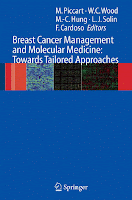
Breast Cancer and Molecular Medicine Book

Why should you buy another book on breast cancer? Did not you already have enough books for breast cancer on your shelf? The editors have tried to create a different type of breast cancer book. Although the typical breast cancer book is written as a compendium of diagnoses and treatments, the focus of this book is about the present and future of breast cancer research and treatment, with emphasis on translational research.

The breast cancer treatment is moving increasingly towards laboratory based, targeted therapies that are tailored to each patient. The treatment of breast cancer, and probably all cancers, it is likely that this practice will soon be radically different. The tsunami wave laboratory and translational research is already underway soon change the management of breast cancer in a fundamental way, and indeed, is already influencing the way we think about treating breast cancer patients and conducting research.

Breast Cancer and Molecular Medicine Book The clinical research laboratory and translational aspects of breast cancer has greatly improved our ability to treat and cure patients with this disease. Population data (eg the U.S. and the UK) a document of substantial decline in mortality from breast cancer in the last decade, despite the increased incidence of breast cancer detection, which shows the benefit in human terms, from this research. The authors believe that this downward trend in mortality is only the beginning.

What makes this book unique is that it considers a wide range of important and exciting areas of clinical research, translational, and basic to their current clinical application possibilities and to transform the future treatment of breast cancer. If history is any guide scientific discovery, then some but not all of these areas of research valuable to patient care, and the rest will fall by the wayside. But today nobody can predict which of these research areas have the greatest impact on the treatment of patients in the coming years.

Handbook of Inorganic Chemicals

This book is an encyclopedic treatment of the chemical elements and compounds important for professionals and students in many areas of chemical manufacturing, academic and consulting communities. Chemicals are listed alphabetically in a descriptive format that highlights relevant information on physical, chemical and thermodynamic properties of chemicals, preparation methods, industrial applications, chemical analysis and toxic and hazardous properties. Synonyms, CAS registry numbers, brief history of discovery and natural presence are provided for many entries.

Handbook of Inorganic Chemistry Chemicals The goal is to give readers a single source of instant information on important aspects of each substance. In this sense, should serve as a manual and the free combination. Readers may note three unique features in this text. First, there is a substantive discussion of the chemical reactions of all the elements and many of its compounds, a practice now abandoned by most modern and reference manuals. Secondly, we present the analytical methods for the identification and measurement of virtually all inputs. In many cases, the method is based on my own research and experience. Third, a preparation method is given for all entries.

Handbook of Inorganic ChemicalsFor most compounds, more than a preparatory method is presented, covering both laboratory and commercial production. In addition, a brief history of the discovery and early production of selected items is presented to serve as a context in which modern methods may be tried and maintained the historical perspective.

It's been a difficult task indeed for authors to select a limited number of compounds from more than one hundred thousand inorganic chemicals used in industry. Due to space limitations in the book, only a small number have been selected as main entries, but many more have been cited for each entry.

Monday, October 12

World Directory of Medical Schools

The aim of the AVICENNA Directories aims to provide updated, reliable information on the institutions that educate health professionals to all stakeholders - policy makers to teachers at national and international authorities responsible for licensing practice and schools, and students seeking to identify a suitable quality program.

The Avicenna Directories is a work in progress, starting with medicine and pharmacy, including progressive, public health, and other academic health professions.

At present, the provisional WHO 2007 + Directory "contains basic information about the medical schools of the WHO World Directory of Medical Schools (7th ed., 2000) and subsequent updates. This database is continuously updated until the release of the Directory of Avicenna to medicine.

The Directories AVICENNA timely maintain contact details of institutions, admission standards, a brief description of the educational program, titles of degrees and diplomas, accreditation and other quality assurance mechanisms in use, and the like . In addition to information on educational institutions in the AVICENNA Directories contain information at the national level, including a number of institutions, national requirements for quality assurance of education for health professions, etc.

Download World Directory of Medical Schools

The Australian Code of Good Manufacturing Practice for Medicinal Products

The Australian Code of Good Manufacturing Practice for Medicinal
Products
(16 August 2002), replaces the Australian Code of Good
Manufacturing Practice for Therapeutic Goods - Medicinal Products
(August 1990), the Australian Code of Good Manufacturing Practice for
Therapeutic Products -- Medicinal Gases
(July 1992) and investigational
medicinal Code of Good Manufacturing Practices
(Appendix 13, Guide to
good manufacturing practice EC, 1997
).

The new Code is based
entirely on the international standard entitled Guide to Good
Manufacturing Practices for Medicinal Products
, version PH 1 / 97 (Rev.
3
), 15 January 2002, published by the Pharmaceutical Inspection Program
of Cooperation
(PIC / S). The amendments to the Guide and its adoption
as the Australian Code of Good Manufacturing Practices
, is made with
the express authorization of PIC / S.

The Australian Code of
Good Manufacturing Practice for Medicinal Products
(16 August 2002) had
been fully implemented on 21 August 2003 after a period of 12 months of
transition and is the basis for licensing of all Australian
manufacturers of medicines.

Sunday, October 11

UXL Complete Life Science Resource – 3 Volume Set, 1st Edition

Leonard C. Bruno "UXL Complete Life Science Resource – 3 Volume Set, 1st Edition"
Published by UXL | Publication date : November 2000 | ISBN : 0787648515 | PDF | Vol. 1 : 261 pages, Vol. 2 : 237 pages, Vol. 3 : 238 pages | English | 11 MB for each Volume

Cover UXL Complete Life Science Resource bookDiscover the fascinating world of biology at UXL® Complete Life Science Resource, with alphabetical entries on theories, concepts, scientific discoveries and developments pertinent to the study of life sciences in schools today.
It also makes a chronology of discoveries with a chronology of world events, a general information section and a section of research and activity.

This 3-volume set contains illustrations, graphs and charts to help students understand such life science topics as:
  • Human Body Systems and Life Cycles
  • Plants, Animals and Classification
  • Cells and Simple Organisms
  • Reproduction and Heredity
  • Populations and Ecosystems
  • Regulation and Behavior
  • Diversity and Adaptation
  • And much more

Statistics and Chemometrics for Analytical Chemistry

This book, 5th Ed, will benefit from scientific analysis seeking to design and conduct experiments properly, and to extract more information from the results, it can legitimately. It aims to be of value to the growing number of students specializing in analytical chemistry, and for those using analytical methods routinely in the laboratory work every day.

There are two additional and related reasons that have encouraged authors to write this book. One is the enormous impact of microelectronics in the form of microcomputers and hand-held calculators on the statistics: these devices have brought long or difficult statistical procedures available to all scientists. The second is the rapid development of new procedures "chemometrics, including pattern recognition, optimization, digital filter techniques, simulations, etc. are all made efforts to improve computing facilities. The last chapter of this book attempts to give the reader, at least an idea of the potential of some of these new statistical methods. Unfortunately not include any information on computer programs in this book.

To limit the duration of the work, and emphasize its practical orientation, the authors have made no attempt to describe in detail the theoretical background of the statistical tests described. But they have tried to make clear to the analyst that the practice tests are right for the types of problems that may occur in the laboratory. There are worked examples in the text, and exercises for the reader at the end of each chapter.

Overview of the chapters in this 5th edition:
Statistics and Chemometrics for Analytical Chemistry The main areas where the new material has appeared in this edition are chapters 4-8. Chapter 4 includes a more comprehensive treatment of control charts and additional material on the uncertainty and proficiency testing schemes. In Chapter 5 there is more material on the use of the regression lines for comparisons method. Chapter 6 reflects the continued growth of the importance of robust methods, and Chapter 7 gives additional sections in the factorial design and simplex optimization method. The use of multiple methods is now commonplace, as Chapter 8 includes an extensive discussion of the principal components and partial least squares regression methods, and more on neural networks. In the first chapters of basic statistics of the main changes are the increased emphasis on test and Grubbs unusual movement in the methods section of Kolmogorov for Chapter 3. The bibliography of each chapter have been updated, with annotations significantly more than in the past, and with more emphasis on issues of standards organizations.

Saturday, October 10

UXL Encyclopedia of Diseases and Disorders

Rebecca J. Frey "UXL Encyclopedia of Diseases and Disorders, Volume 4: M-Se"
Publisher: Gale Cengage 2009 | 350 Pages | ISBN: 1414430698 | PDF | 10.8 MB

UXL Encyclopedia of Diseases and Disorders UXL Encyclopedia of diseases and disorders, is 1-5, is designed to help younger students and general readers' understanding of diseases and disorders of all types, including infectious diseases, genetic disorders, general conditions and injuries. This book contains more than 200 entries on diseases, collection from bird flu, the cystic fibrosis that the warts. Record Run the definition section and to highlight key facts about the disease to clarify the causes, symptoms and treatments. Other sections provide more detailed information, please contact the Demographic and discuss the future of this disease, for example, if new therapies are under development or if the disease becomes more or less prevalent. UXL Encyclopedia of diseases and disorders are used in everyday language when possible, and explain the medical terms as they appear. The rules also define the words to Know sidebars through the records and collection Words to Know section to the beginning of each book. Records are to give, challenge and excite less experienced students, while providing a solid foundation and reference for students already captivated medicine.

check at Detail information for Download Erch Book Collection

Modern Pharmaceutics : Applications and Advances

Applications and advances are largely manual and innovative source of information for pharmaceuticals, focusing on the main theme of this is the key to the pharmacy. The textbook definition of how pharmacy design, composition, production, evaluation and definition of pharmaceutical product quality, as well as the impact on patients, as the basic principles of quality.

Modern Pharmaceutics: Applications and Advances Of course, it is difficult to distinguish in principle taking into account the basic principles and applications, but the authors have chosen topics that do know of these basic principles and systems. Applications and advances to authors of additional units based on bio-pharmaceuticals, modern methods of assessment, medicines, pharmaceutical nanotechnology overview chapter, as well as chapters on aspects of the pharmaceutical physics. This textbook is also expert in Chapters bioequivalence, controlled release systems, transdermal delivery, delivery to the lungs, and the design and evaluation of eye drops to cover most of the routes of administration. The child and geriatric pharmacy is becoming increasingly important not least because of its agreement with the concept of personalized medicine. For veterinary medicinal products in dosage forms fascinating chapter discusses the challenges and solutions that are not always medical. Targeted drug delivery itself presents a full range of problems that the ingenuity, the design of both drug delivery systems. Section is dedicated to this important aspect of pharmacy.

Personally, I think that advances the application and will meet various professionals, who in fact a passion for pharmacy, encouraging them in their studies and research and development.

Check at Bold Character For Download Erch Book Collection

Pathway Analysis for Drug Discovery

This book is a collection of articles by the pioneers of the road analysis. Although some decisions and the State - of - the - art review of the book form a number of issues still to be addressed in the scientific community. The phrase "drug" Discovery "in the title was to emphasize the pragmatic approach to the book.

Pathway analysis of tests on the huge task of registration of the molecular biological knowledge that it is suitable for predicting the calculation. Pathway analysis is currently in its infancy and should be considered and the development of software in the system. This system can only be based on practical solutions that have a direct impact on human life and well - are public. Improving human health and the optimization of biological organisms, human needs are the two main practical applications of molecular biology to quickly move it far from the academic disciplines of science towards commercial industry.

Pathway Analysis for Drug Discovery Drug discovery industry could benefit most from the path analysis. There are two basic computing tasks in the drug development. First, the calculation of the molecular structure, which have specific protein targets and, therefore, predictable and predicted biological effects. The second is the calculation of biological effects for yourself. Both tasks require a high computational resources, but use very different fundamental principles. Structural design of drugs based on the physics of molecular structure and interactions, and the calculation is based on the biological effects of the flow of information or analysis methods. While the flow of information inside the living cell through the physical interaction network of molecular interactions in physics have a limited impact on biological pathways. Instead, players from Combinatorial protein network is determined by the biological results of drug treatment, disease progression and healthy alarms throughout the human body. Calculating the complexity of the structural drug design of a large number of molecules involved in molecular interactions in the path analysis of the complexity arises from a number of processes that take place one human cell, multiplied by the number of human body tissue.

Currently used method of calculating "exposure to drugs, the use of living organisms, such as animal models and patients in clinical trials is expensive, error probability, and can be viewed as unethical. Thus, all seem to believe that silicon projections should be the safest and most economical way to improve the drug development pipeline. As computational resources have sufficient excuse fast disappearing into history, the book attempts to summarize the key elements required to successfully silico analysis of the drug development path.

Check at Detail Information for Download Erch Books Collections

Plant MicroRNAs: Methods and Protocols

Most of the chapters in this volume focus on the identification, validation and characterization of miRNA class of RNAs. However, the theme that it can not avoid to mention other classes of small RNAs that are biochemically similar size and composition (though somewhat genetically distinct origin). For example, cloning and characterization of plant miRNA generated data set is a lot of other very small class of RNAs, significantly higher than in other plants and organisms - heterochromatic, small interfering RNAs (heterochromatic siRNAs).

How do you find the methods in this Volume stress miRNA analysis, but there are ways to distinguish a class of small RNAs from each other. One chapter describes the members is characterized by a unique class of siRNAs (trans-acting siRNAs), which is dependent on the actions mirna begin their formation.

 Plant MicroRNAs: Methods and Protocols | -= ErchBook =- From mirna biogenesis is dependent on an increasingly well-defined proteins, which contain enzymes precisely removed from the more mature miRNA of cases, as well as the mature miRNA to be exported from the nucleus and interaction with the modification of its target. This volume begins with the section that clearly sets out the cellular participants from miRNA production and study the genes and gene products useful. Discussions about the genes that encode these proteins are found throughout the volume, partial or complete loss-of-function mutants of these genes is essential for learning miRNA Toolbox. One of the sections are the standard methods of cleaning materials and miRNA study: small RNA component of the transcript. While not always easy, depending on the composition and source of plant tissue that is used protocols described here should be a wide stretch of even the most recalcitrant of plant origin, therefore, very high quality RNA, which can be used for library construction.

Alternative approach described in one of the chapters are small RNAs associated with the Argonaut protein separately. Purified small RNA in his hand, one is ready to begin the characterization of small RNAs by any of a variety of experimental methods, most of whom one is deeply concerned by the sequence of the "new generation" technology, a process that leads to data sets on the scale of millions of small RNAs reaction. This volume is the sequence libraries from purified small RNA generation rotocol. This is followed, next big challenge will be experimentalist data - trimming, cartography, organize and analyze millions of short sequence reads.

Several chapters describe the methods for analysis of miRNA target RNAs directed regulation. Its simplest form, the regulatory targets of plant miRNA determination is based on a nearly perfect complementarity between MiRNAs and their mRNA targets tracking. This allows the calculation basis of the target forecast simplified plant nor animal. Mirna pairing with mRNA, plants, generally results in degradation of target mRNA. Such an approach tailored to the forecast is for the companies this volume, as well as standard methods of approval of specific target cleavage events and the interesting development of genome-scale characterizing cleaved mRNA in a library.

This volume consists of a series of chapters that discuss approaches to the analysis of the functional role of plant-miRNA. This includes methods for calculating the prediction of plant miRNA targets and the experimental methods that might provide supporting evidence to support these predictions. The calculation methods were also applicable to the study of gene regulatory sequences in promoters, the application that works well and the promoter elements and potential transcription factor binding motives of plant miRNA precursors. Regulatory elements contribute to expression miRNA regulation in response to stresses such as biotic and abiotic stress, such conditions, mirna turn regulated by other copies, and to create variation in their expression levels and patterns. In situ hybridizations have long been used to Messenger RNAs and protein localization, but a recent interesting application of this methodology is the ability to localize mirna plant tissues using a new generation of highly sensitive probes. And when these data were merged out of miRNA, the plants are amenable to the function of this function is projected transient assessment of the studies. All chapters of this theme in this volume, theme, and we believe that this will provide valuable support and useful for our readers' experimental work.
Download Plant MicroRNAs: Methods and Protocols at bold character inside


Pharmacy Practice

Pharmacy services are more patient-centered, rather than drug-oriented, as exemplified by the concept of pharmaceutical care. Pharmacists must both understand and meet patients' specific pharmaceutical requirements. To do this, it is necessary clinical, scientific, and social skills in combination. This transition to patient-centered health care comes as health care is increasingly delivered by an integrated team of health workers.

Effective pharmacy practice requires social context in which pharmacy is practiced understanding, recognizing the special needs and circumstances, pharmaceutical and pharmacy services customers by location of health services.

Pharmacy PracticeIn view of these issues the authors to give pharmacy students some contemporary issues relating to the effective practice of pharmacy in the background. They deliberately avoided Clinical pharmacology and therapeutics in itself, together with specific aspects of pharmaceutical legislation, because they have already been comprehensively covered in existing texts. Textbooks focus here is the practice of pharmacy in its social and behavioral context. For example, how to make personal beliefs or social circumstances influence their decision to use pharmaceuticals and pharmaceutical services, how it could best serve the person to deliver specific health needs? Effective practice of pharmacy is based on research evidence and best practice, and original research are indicated, if necessary, throughout the text. As practice becomes more based on the data, pharmacists are increasingly needed to evaluate and implement the results of research and carry out their research and professional audit. To this end, the authors included a chapter on how the medicine is reinvestigated and cost estimates, as well as practical guidance on the practice of pharmacy has a research and evaluation of pharmaceutical services.

Bachelor of Pharmacy courses to remain rooted in the pharmaceutical sciences. Through libraries, social and behavioral science texts are separated from the pharmacy texts and are often at the individual sites. In addition, interdisciplinary training in schools remains a pharmacy rather than the rule exception. Consequently, many subjects and concepts here will be unfamiliar and, perhaps even foreign readers
Download Pharmacy Practice at bold character

.
Download by Label:
Recent Posts

Comments and Testimoni

Best Seller Ebook